
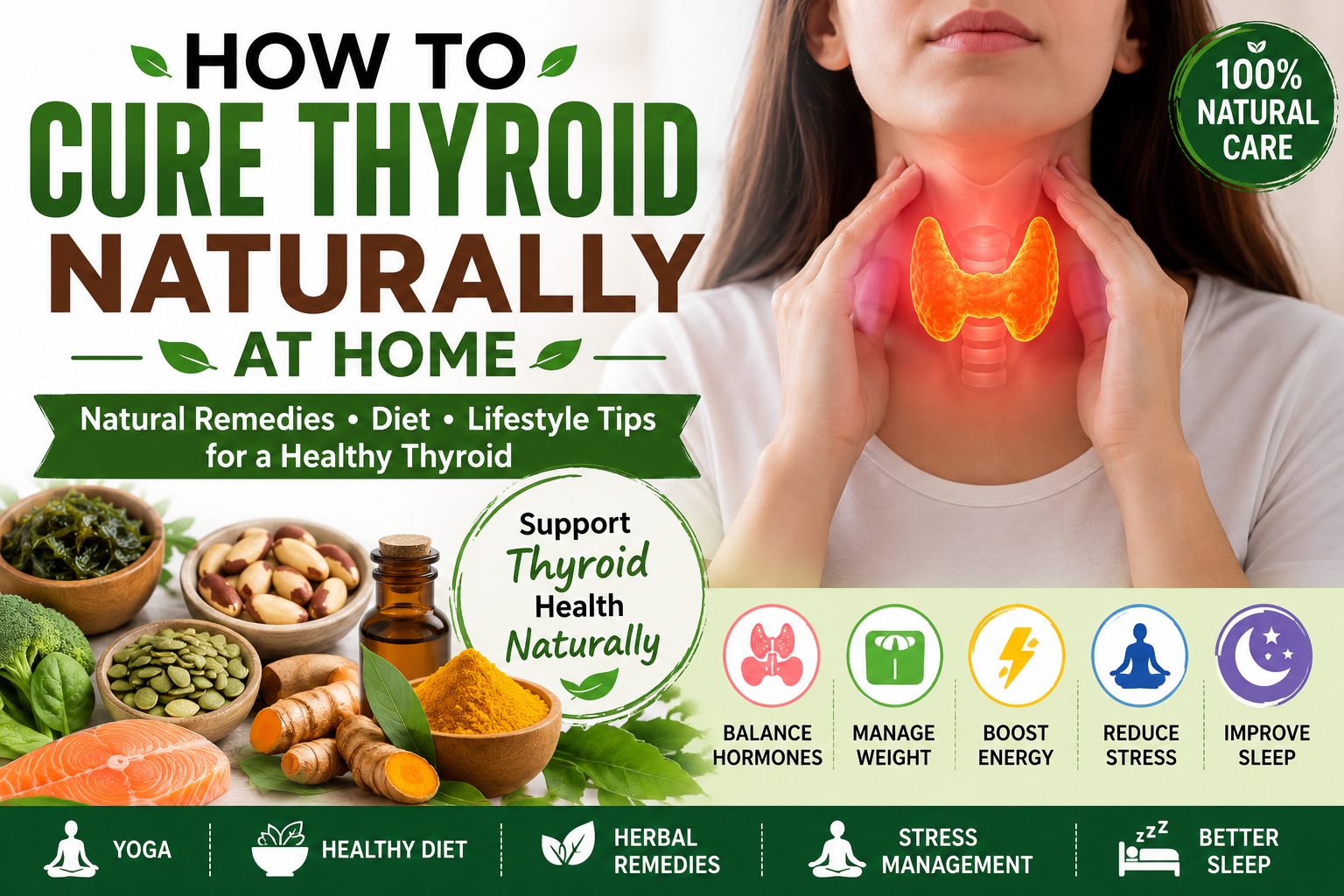
Hello everyone, in this article we will discuss Simple Home Remedies to Support Thyroid Health Naturally including the common causes, symptoms, healthy diet tips, lifestyle changes, natural remedies, and daily habits that may help improve thyroid function. The thyroid is a small butterfly-shaped gland located in the front of the neck, but it plays a very important role in controlling metabolism, energy, body temperature, heart rate, digestion, and many other body functions. When the thyroid gland becomes underactive or overactive, it can lead to thyroid disorders that may affect overall health and daily life.
The two most common thyroid conditions are:
- Hypothyroidism – when the thyroid produces too little hormone.
- Hyperthyroidism – when the thyroid produces too much hormone.
Many people look for Simple Home Remedies to Support Thyroid Health Naturally. Natural remedies and healthy lifestyle habits may help improve symptoms and overall thyroid function, serious thyroid conditions still require proper medical care and diagnosis.
What Causes Thyroid Problems?
There are many possible reasons behind thyroid disorders. Understanding the causes can help people manage thyroid health more effectively.
Common Reasons for Thyroid Problems
- Iodine Deficiency
Iodine is essential for the production of thyroid hormones. A lack of iodine in the diet can cause the thyroid gland to become enlarged and underactive.
Signs of iodine deficiency:
- Fatigue
- Weight gain
- Swelling in the neck
- Dry skin
- Hair fall
Sources of iodine:
- Iodized salt
- Fish
- Seaweed
- Dairy products
- Eggs
Excess iodine can also harm the thyroid, so balance is important.
- Autoimmune Diseases
Many thyroid disorders happen because the immune system attacks the thyroid gland.
Hashimoto’s Thyroiditis
This autoimmune disease causes hypothyroidism.
Effects:
- Slow metabolism
- Weight gain
- Fatigue
- Depression
Graves’ Disease
This autoimmune disorder causes hyperthyroidism.
Effects:
- Rapid heartbeat
- Anxiety
- Weight loss
- Tremors
- Stress and Mental Pressure
Chronic stress may affect hormone balance and thyroid function.
When stress hormones remain high for a long time, they can interfere with the endocrine system and worsen thyroid symptoms.
Stress-related symptoms:
- Poor sleep
- Fatigue
- Mood swings
- Hormonal imbalance
- Poor Diet and Nutritional Deficiencies
Lack of important nutrients may weaken thyroid function.
Nutrients important for thyroid health:
- Selenium
- Zinc
- Iron
- Vitamin D
- Vitamin B12
A diet high in junk food, sugar, and processed foods may increase inflammation in the body.
- Genetics and Family History
Thyroid disorders sometimes run in families.
If parents or close relatives have thyroid disease, the risk may increase.
- Hormonal Changes
Hormonal fluctuations can affect thyroid health, especially in women.
Common situations:
- Pregnancy
- Menopause
- Puberty
- Postpartum period
Women are more likely to develop thyroid problems than men.
- Lack of Physical Activity
A sedentary lifestyle may slow metabolism and contribute to hormonal imbalance.
Regular exercise supports:
- Better metabolism
- Healthy weight
- Improved circulation
- Reduced stress
- Certain Medications
Some medicines may affect thyroid hormone production.
Examples include:
- Lithium
- Some heart medications
- Certain cancer treatments
Always consult a doctor before stopping any medicine.
- Radiation Exposure
Radiation therapy around the neck area can damage the thyroid gland.
This may happen during treatment for certain cancers.
- Smoking and Excess Alcohol
Smoking contains harmful chemicals that may affect thyroid function.
Heavy alcohol intake may also disturb hormone balance and metabolism.
- Thyroid Nodules or Enlargement
Sometimes lumps or swelling develop in the thyroid gland.
These may:
- Affect hormone production
- Cause neck swelling
- Lead to hyperthyroidism in some cases
Symptoms of Hypothyroidism (Underactive Thyroid)
- Weight gain
- Fatigue
- Hair fall
- Dry skin
- Constipation
- Depression
- Puffy face
- Slow heartbeat
- Sensitivity to cold
Symptoms of Hyperthyroidism (Overactive Thyroid)
- Weight loss
- Fast heartbeat
- Anxiety
- Sweating
- Trembling hands
- Sleep problems
- Irritability
- Increased appetite
Natural Ways to Support Thyroid Health at Home
- Eat a Thyroid-Friendly Diet
Foods Good for Thyroid Health
Iodine-Rich Foods
- Iodized salt
- Fish
- Eggs
- Dairy
Selenium-Rich Foods
- Brazil nuts
- Sunflower seeds
- Mushrooms
- Tuna
Zinc-Rich Foods
- Pumpkin seeds
- Chickpeas
- Nuts
- Whole grains
Anti-Inflammatory Foods
- Fruits
- Vegetables
- Turmeric
- Ginger
- Olive oil
- Avoid Foods That May Affect Thyroid Function
Limit:
- Excess junk food
- Sugary drinks
- Processed foods
- Excess soy products
Goitrogenic Foods (in large raw amounts):
- Cabbage
- Broccoli
- Kale
- Cauliflower
Cooking these vegetables reduces their effect.
- Exercise Regularly
Exercise helps improve:
- Metabolism
- Weight control
- Energy levels
- Mood
Helpful activities:
- Walking
- Yoga
- Cycling
- Swimming
- Strength training
- Practice Yoga for Thyroid Support
Certain yoga poses may support relaxation and blood circulation.
Helpful poses:
- Sarvangasana
- Matsyasana
- Cobra Pose
- Camel Pose
- Reduce Stress Naturally
Stress management is important for hormonal balance.
Stress-reducing methods:
- Meditation
- Deep breathing
- Yoga
- Spending time outdoors
- Listening to calming music
- Improve Sleep Quality
Good sleep supports hormone regulation.
Sleep tips:
- Sleep 7–9 hours
- Avoid screens before bed
- Reduce caffeine at night
- Maintain a regular sleep schedule
- Stay Hydrated
Water helps support:
- Digestion
- Metabolism
- Circulation
- Energy levels
- Herbal Remedies That May Help
Common herbs:
- Ashwagandha
- Ginger
- Turmeric
These herbs may help reduce inflammation and stress, but medical advice is important before use.
- Get Enough Vitamin D and Sunlight
Low vitamin D levels are common in thyroid disorders.
Benefits include:
- Better immunity
- Improved mood
- Stronger bones
- Monitor Thyroid Levels Regularly
Regular blood tests help monitor:
- TSH
- T3
- T4
Monitoring helps prevent complications and guides proper treatment.
Can Thyroid Be Completely Cured Naturally?
Some mild thyroid imbalances may improve with healthy lifestyle changes. However, autoimmune thyroid diseases and severe thyroid disorders often require medical treatment and long-term management.
Natural remedies mainly help:
- Support thyroid function
- Reduce symptoms
- Improve overall health
- Support hormone balance
Possible Complications of Untreated Thyroid Problems
Ignoring thyroid disorders may lead to:
- Heart problems
- High cholesterol
- Fertility issues
- Weak bones
- Severe fatigue
- Mental health problems
Simple Daily Routine for Thyroid Support
Morning
- Drink warm water
- Eat healthy breakfast
- Take a short walk
Afternoon
- Eat balanced meals
- Stay hydrated
Evening
- Exercise or yoga
- Reduce stress
Night
- Sleep on time
- Avoid screen exposure late at night
SUMMARY
Thyroid disorders can affect many areas of health, including metabolism, mood, energy, and weight. There are many possible causes of thyroid problems, such as iodine deficiency, stress, autoimmune diseases, poor diet, hormonal imbalance, and genetics.
Natural remedies like a healthy diet, regular exercise, stress management, proper sleep, and yoga may help support thyroid health and improve symptoms. However, serious thyroid disorders should always be properly diagnosed and treated by a healthcare professional.
Maintaining a healthy lifestyle together with regular medical checkups is the best way to support long-term thyroid health.
Disclaimer
This article is for educational purposes only and is not a substitute for professional medical advice, diagnosis, or treatment. Always consult a qualified healthcare provider before starting any new remedy, supplement, diet, or treatment for thyroid problems.